
Dentures in Terrigal
- Experienced dental technicians
- Comprehensive services
- Health Fund and DVA approved
QUALIFIED TEAM
Terrigal Dentures
At Central Coast Denture Clinic, we’ve been supporting Terrigal and surrounding communities on the Central Coast since 2000 with full-service denture care delivered from our Erina clinic. Our dental technicians handle every stage of treatment onsite, from impressions to final adjustments. We offer full and partial dentures, denture repairs, relines and implant-retained dentures, all tailored to suit each patient’s unique oral structure using clinically approved materials suited for daily use.
Patients from Terrigal can access these services without a referral, and we offer prompt appointments with clear procedural steps. We’ve designed our service model to reduce downtime and support practical needs through direct clinic access. Health fund claims are processed at the time of your visit through HICAPS, and we are also a registered DVA provider.
To book your consultation or enquire about available services, call us on (02) 4365 0004.
Our Approach to Treatment
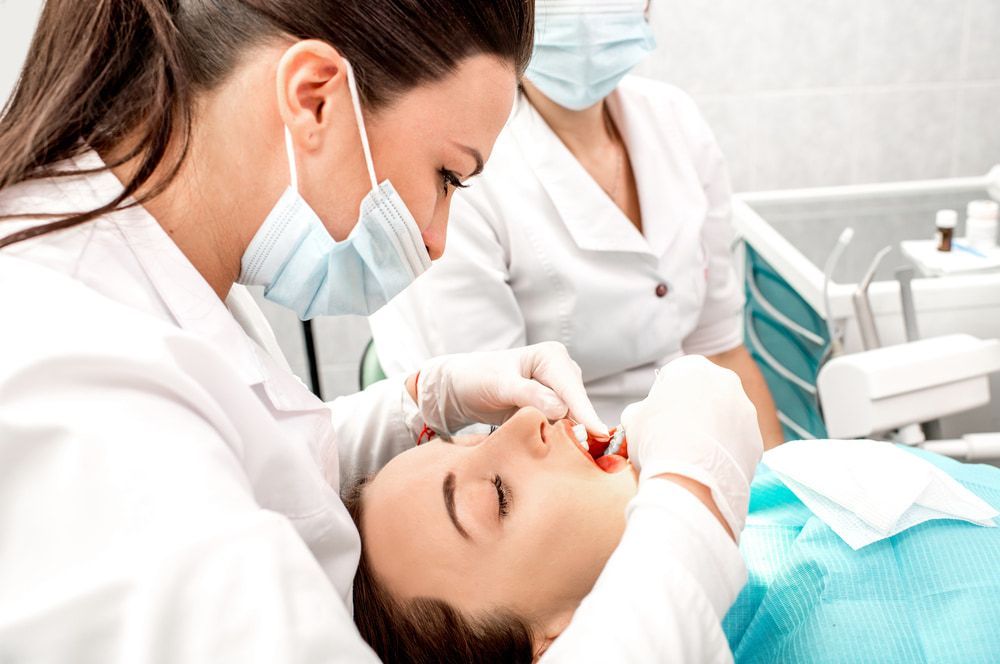
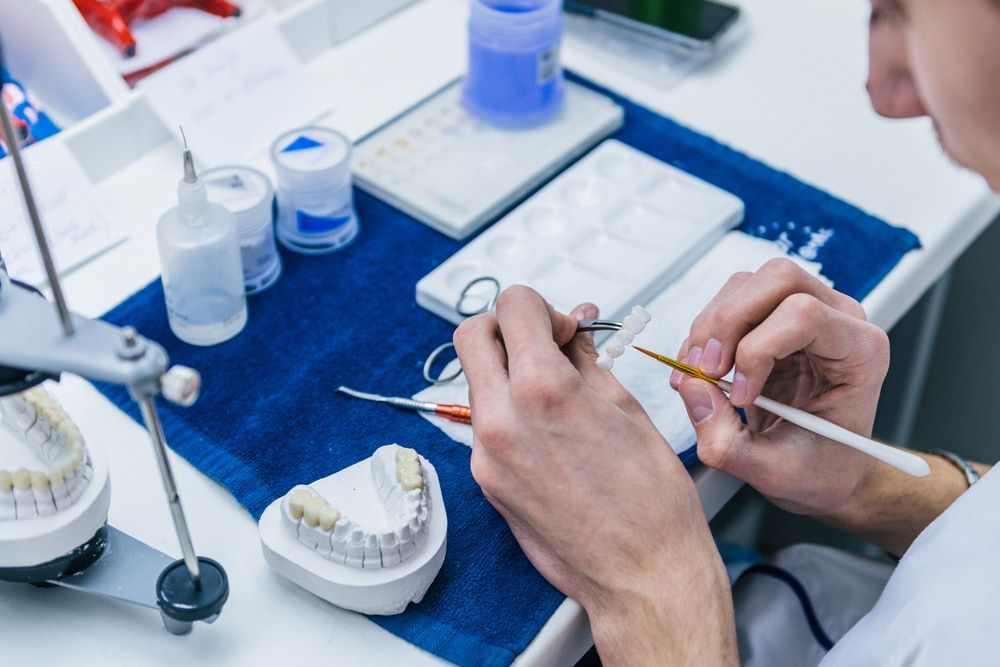
We deliver all denture services for Terrigal patients through our nearby clinic using an in-house process. Every treatment begins with a consultation and oral assessment, followed by impressions and bite registration to guide fabrication. Our team uses clinical-grade acrylic and cobalt-chrome materials to produce full and partial dentures designed for daily use. If you’re receiving implant-retained dentures, we tailor the prosthetic to work with your current implants, ensuring compatibility and a secure fit.
We also provide relining services for older dentures and offer same-day repairs for minor cracks or breakage. We provide clear information on care, cleaning and maintenance, along with post-fitting follow-up where needed. From start to finish, we prioritise consistency, communication and practical service for Terrigal residents, meeting their needs without long wait times or offsite referrals.
FAQ
All You Need To Know
How do I know if my dentures don’t fit properly?
Ill-fitting dentures can cause a range of noticeable symptoms. Common signs include persistent soreness or irritation of the gums, frequent movement or slipping during speech or eating, and pressure points that lead to discomfort. Some people may develop ulcers or find themselves adjusting the dentures throughout the day to keep them in place.
Another sign is difficulty chewing foods that were previously manageable or experiencing changes in speech clarity. Over time, as the shape of the gums and jawbone changes, even well-made dentures may lose their fit. Regular check-ups are recommended to assess fit and determine whether a reline, adjustment or replacement is needed to maintain comfort and function.
What are implant-retained dentures and who are they for?
Implant-retained dentures are dentures that are anchored to the jaw using dental implants. Unlike traditional dentures, which rest on the gums and may rely on adhesives, implant-retained options attach to metal posts surgically placed in the jawbone. These can provide greater stability, especially for lower dentures, which are more likely to shift or move.
This option is often suitable for patients who have lost most or all of their teeth and are looking for increased comfort and chewing function. Adequate bone density and healthy gums are essential to support implants, so a thorough dental assessment is required. Implant-retained dentures can be removable or fixed, depending on clinical needs and patient preference.
Do dentures stain like natural teeth?
Yes, dentures can stain over time, though the materials used in their construction are different from natural enamel. Acrylic and composite materials used in dentures are porous to a degree, making them susceptible to discolouration from substances such as coffee, tea, red wine, tobacco and certain strongly coloured foods.
To minimise staining, dentures should be cleaned daily with a soft brush and denture-safe cleanser. Avoid using regular toothpaste, which may scratch the surface and make staining worse. Soaking dentures overnight in a non-abrasive cleaner can also help maintain their appearance. For persistent staining, a dental professional can polish the denture surface or advise on other cleaning options.
Get In Touch
- Mon - Fri
- -
- Sat - Sun
- Closed
Thank you for contacting Central Coast Denture Clinic Erina.
We will get back to you as soon as possible.
Oops, there was an error sending your message.
Please try again later.
Get In Touch
- Mon - Fri
- -
- Sat - Sun
- Closed


